
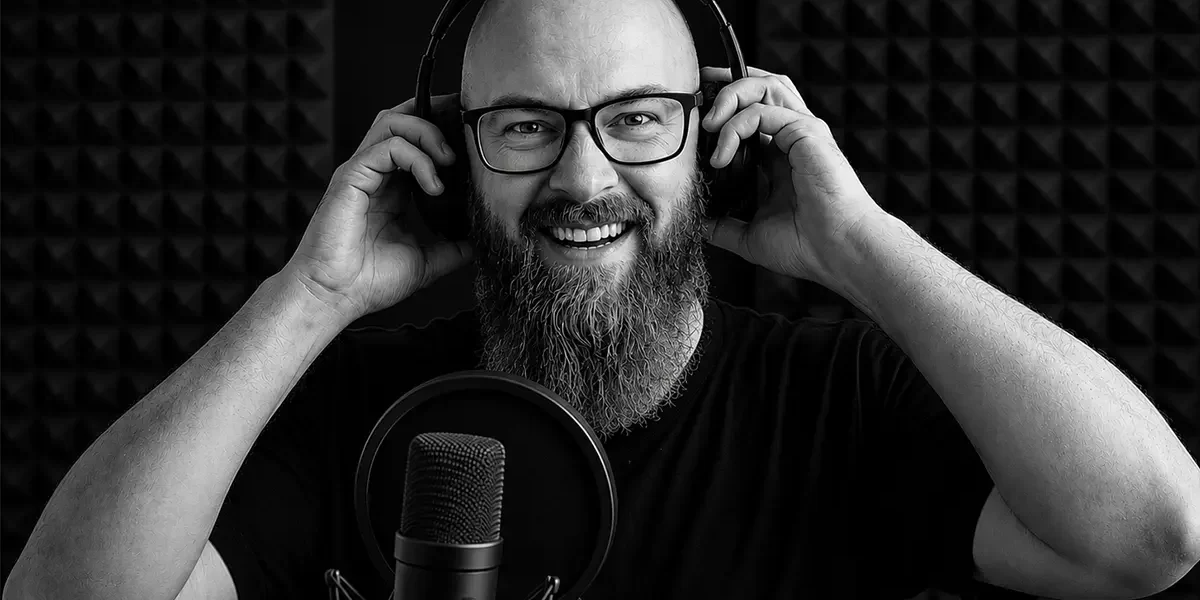
One of the questions I get asked most often by listeners of The Overthinker’s Guide to Modern Marketing is surprisingly simple:
“What equipment and software do you use to make the podcast?”
The truth is that while there are endless options available for podcasters today, my setup is intentionally straightforward.
Rather than chasing the latest gear or complicated production workflows, I’ve focused on reliable tools that deliver professional-quality audio while keeping the process efficient.
Here’s a look behind the scenes at the hardware and software that power each episode.
The Hardware
Rode NT1 Signature Large-Diaphragm Condenser Microphone
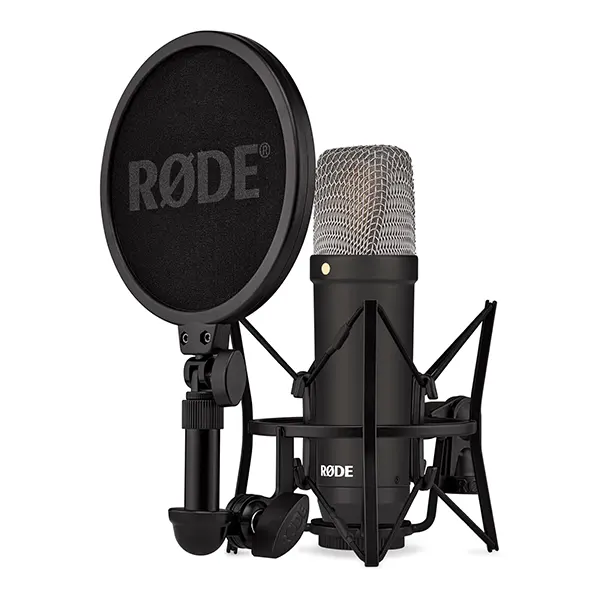
At the heart of the setup is the Rode NT1 Signature microphone.
The NT1 has earned a reputation as one of the quietest studio microphones available, making it an excellent choice for spoken-word content such as podcasts. Its clarity captures the nuances of conversation while maintaining a warm, natural tone that helps create a comfortable listening experience.
For a podcast that often dives into complex marketing concepts, strategy discussions, and occasional moments of overthinking, having a microphone that delivers consistent, professional-quality audio is essential.
Prior to the NT1, I used the AKG P120 for the first 6 episodes of the podcast, a good workhorse I have used in my day job since 2018 and an excellent option if you are looking for a more general-purpose microphone.
Behringer U-Phoria UMC404HD Audio Interface
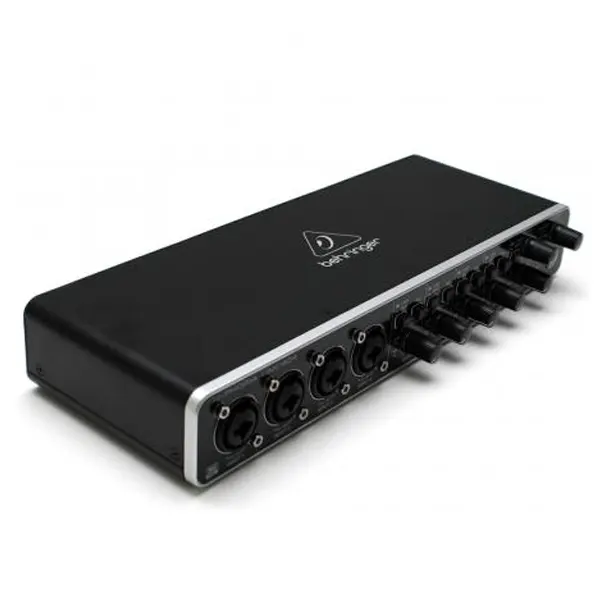
The microphone connects through a Behringer U-Phoria UMC404HD audio interface.
This interface serves as the bridge between the microphone and the computer, converting the analogue microphone signal into digital audio that can be recorded and edited.
While it offers four inputs and professional-grade 192 kHz recording capabilities, what I appreciate most is its reliability. It simply works every time, which is exactly what you want when you’re focused on creating content rather than troubleshooting technology.
There now updated versions available that offer less ports such as the Behringer UMC202HD.
Microphone Isolation Shield
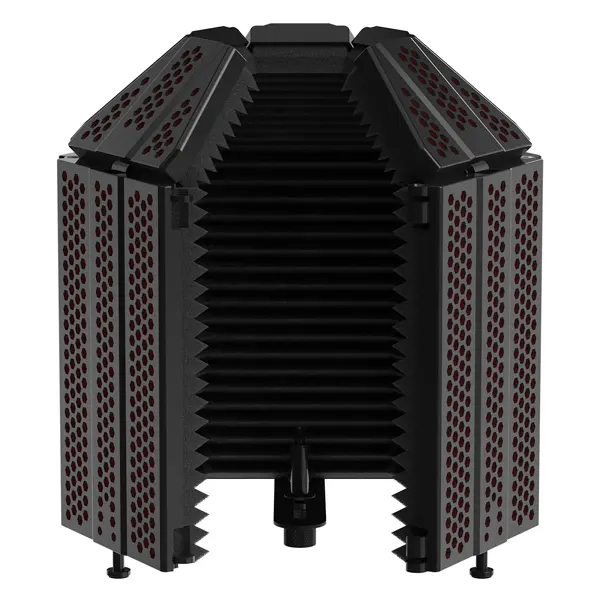
Even in a relatively quiet recording environment, unwanted room reflections can affect audio quality.
The isolation shield helps minimise echoes and background reflections around the microphone, producing a cleaner and more focused recording. It’s a simple addition that makes a noticeable difference, especially when recording spoken-word content.
There many, many different types available and I opted for one produced by XTUGA which is both affordable and very well constructed.
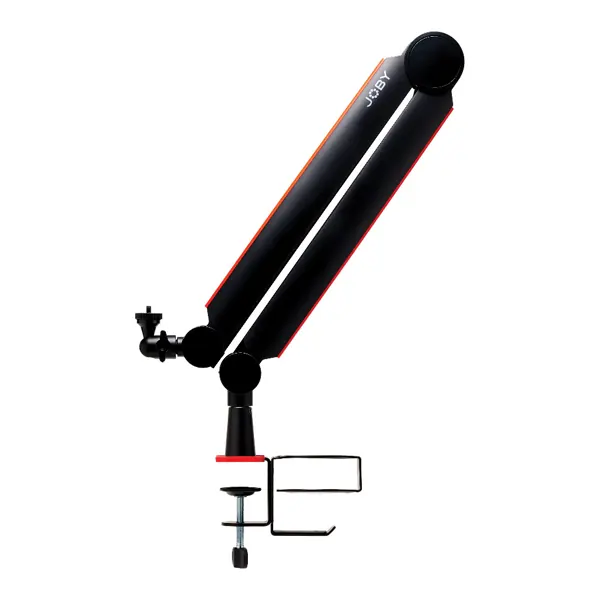
Boom Arm with Desk Clamp
A microphone boom arm might not be the most glamorous piece of equipment, but it’s one of the most practical.
It allows precise microphone positioning, keeps the desk free of clutter, and reduces the risk of vibrations or accidental bumps entering the recording. More importantly, it makes long recording sessions far more comfortable.
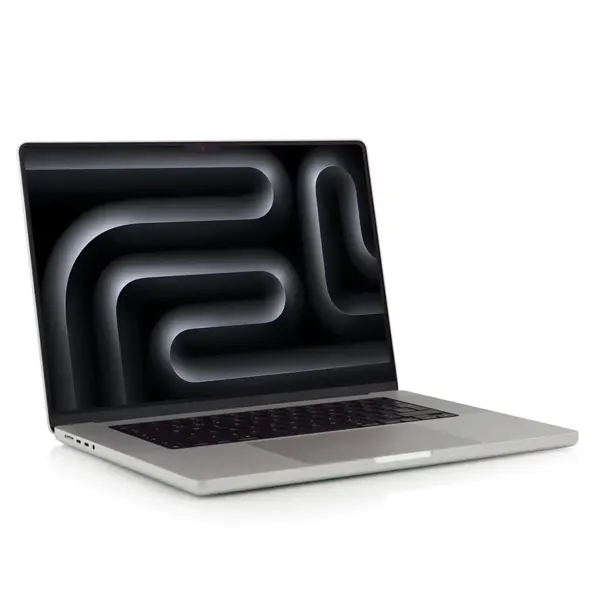
16-inch MacBook Pro (M4 Pro)
The entire production process runs on a 16-inch MacBook Pro powered by Apple’s M4 Pro chip.
From recording and editing audio to managing the website and publishing episodes, the MacBook handles everything effortlessly. Modern podcast production isn’t particularly demanding, but having a machine that remains responsive while juggling multiple applications certainly makes life easier.
The Software
GarageBand
Many people are surprised when I tell them that I use GarageBand to record and edit the podcast.
GarageBand often gets overlooked because it comes free with every Mac, but it’s an incredibly capable audio production tool. It provides everything needed to record interviews, edit conversations, balance audio levels, add music, and produce a polished final episode.
For a podcast focused on ideas and conversations, GarageBand strikes the perfect balance between simplicity and capability.
Music Tag Editor
Metadata is one of those behind-the-scenes details listeners rarely see, but it matters.
Before episodes are published, Music Tag Editor allows me to ensure that all relevant information is correctly embedded in the audio file, including episode titles, artwork, descriptions, and other metadata. This helps maintain consistency across podcast players and platforms.
Feeder 4
Once an episode has been edited, exported and tagged, Feeder 4 handles podcast publishing.
Feeder allows me to manage the podcast RSS feed, organise episode metadata, create show notes, and distribute episodes to podcast platforms. It’s a powerful piece of software that simplifies what can otherwise become a surprisingly technical process.
For independent podcasters, having complete control over the feed and distribution is invaluable.
The Website
WordPress-Powered Website
The podcast website is built on WordPress. WordPress provides the flexibility to publish show notes, articles, resources, and supporting content alongside each episode. It also gives me full ownership and control over the platform, which aligns with my broader philosophy around content creation and digital marketing.
The website serves as the central hub for listeners, whether they’re discovering the podcast for the first time or returning to explore previous episodes.
Why I Keep It Simple
One of the biggest misconceptions in podcasting is that you need a studio packed with expensive equipment to create professional content.
The reality is that consistency, clear audio, and valuable content matter far more than having the most expensive gear available.
My entire setup is built around a simple principle: Use reliable tools that stay out of the way and allow you to focus on creating great stories.
Every episode of The Overthinker’s Guide to Modern Marketing is recorded, edited, tagged, published, and promoted using the equipment and software outlined above. It’s a workflow that has evolved through experience and continues to deliver exactly what I need: a professional podcast production process without unnecessary complexity.
After all, there’s already enough overthinking happening in marketing; there’s no need to overthink the technology as well.
Please feel free to contact me if you would like to ask any further questions about how the podcast is produced by emailing me at sean@overthinkerspod.com


