
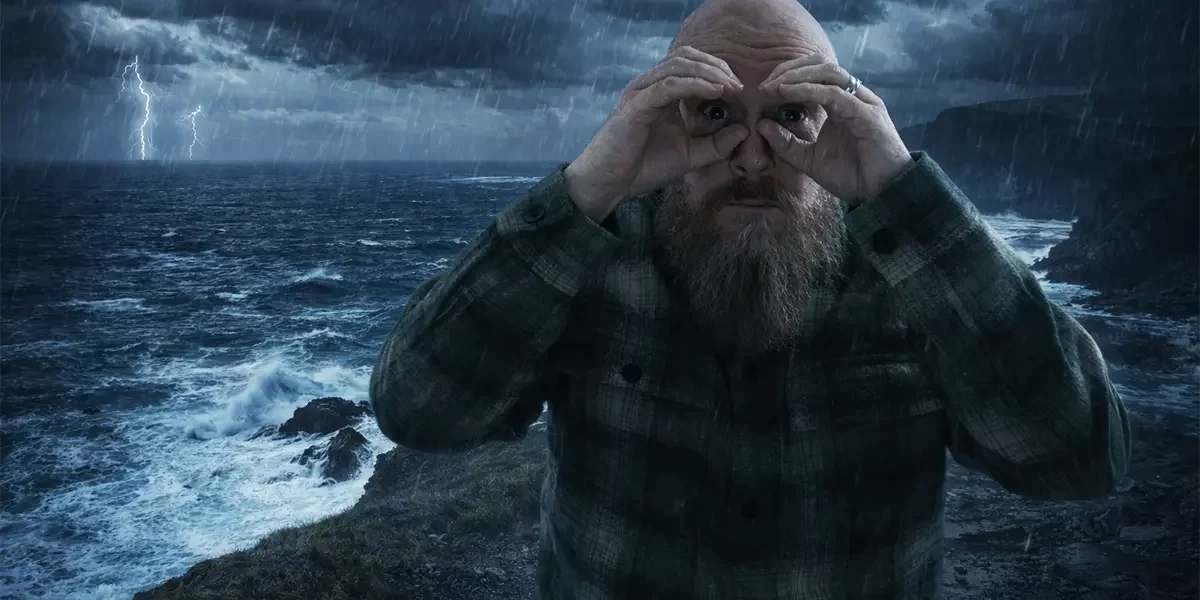
How to know what’s about to happen slightly before it does.
There is a moment in every marketing meeting where someone says: “We need to be more on trend.”
This is usually followed by nodding, a brief silence, and the quiet realisation that no one is entirely sure what that means. Because trends, much like time, social media, and office plants, are things we all interact with regularly but rarely fully understand.
And yet, here we are, attempting to anticipate them.
The Internet Is Not Calm
The internet is many things. Calm is not one of them.
It is a continuously evolving stream of opinions, videos, memes, and people explaining things with impressive confidence and varying degrees of accuracy. Somewhere within this noise are patterns, small signals that hint at what people are starting to care about.
Trendspotting is simply the act of noticing those signals before they become obvious.
Which is difficult, because once something becomes obvious, it is no longer a trend. It is just… what everyone else is already doing.
Data or Looking at Numbers Until They Start Making Sense
Social media offers an extraordinary amount of data. Engagement, clicks, shares, watch time, endless metrics quietly documenting what people are paying attention to. This data doesn’t tell you exactly what to do. It simply reveals what’s resonating.
When something is being shared, discussed, or reacted to in a meaningful way, it suggests something is happening beneath the surface. Something worth understanding.
Trendspotting isn’t guesswork. It’s observation, followed by slightly more informed guesswork.
Not Everything Loud Is Important
One of the more dangerous assumptions in marketing is that anything gaining attention must be a trend.
This is not the case.
Some things are fleeting. Some are momentary distractions. Some are simply the internet having a brief and slightly confusing episode.
The challenge is knowing the difference between what’s emerging and what’s merely happening very loudly for a short period of time.
Chasing everything leads to content that feels reactive and slightly desperate, and while desperation can be memorable, it is rarely effective.
Timing – The Narrow Window of Relevance
Acting on a trend requires timing.
Too early, and no one understands what you’re doing.
Too late, and everyone has already seen it, possibly several times.
Somewhere in between is a narrow, elusive window where things still feel fresh but familiar enough to resonate. This is where good marketing lives. It is also, inconveniently, the hardest place to operate.
Just Because You Can, Doesn’t Mean You Should
A trend appears. It’s everywhere. It’s working.
Naturally, the instinct is to join in. But not every trend belongs to every brand.
Forcing relevance where none exists is a bit like entering a conversation halfway through and confidently contributing something unrelated. It’s noticeable, but not in a way that helps.
Relevance matters more than participation.
Always.
Insight Over Imitation
The real value in trendspotting isn’t copying what’s happening, it’s understanding why it’s happening.
What are people responding to?
What need or emotion is being triggered?
What’s actually driving the behaviour?
Once you understand that, you’re no longer chasing trends. You’re using insight, and that’s considerably more useful.
Trends Don’t Matter – People Do
Trends are just the visible outcome of human behaviour. What people care about, what they notice, what they respond to.
Focus on that, and trends become easier to interpret.
Ignore it, and you’re left reacting to surface-level noise, slightly behind everyone else.
So before jumping on the next big thing, before declaring something “the future of marketing”, pause briefly. Ask yourself:
- Does this actually make sense for us?
- Is it relevant to our audience?
- Are we adding something meaningful, or just adding to the noise?
If the answer is yes, proceed. If not… You’ve just avoided becoming part of something no one remembers next week.
If you enjoyed this (and found yourself nodding along while questioning at least one recent marketing decision), you’ll probably enjoy our latest podcast episode too. It dives further into the wonderfully chaotic world of modern marketing, where trends appear, disappear, and occasionally make a dramatic comeback for no clear reason. It’s thoughtful, slightly overanalysed, and designed to help you make a bit more sense of it all, so it’s well worth a listen while you’re here.